Bodega medieval del siglo XII descubierta con el OKM Rover C4
Estructura medieval oculta localizada con éxito mediante tecnología de escaneo 3D del subsuelo
Recientemente se realizó un emocionante descubrimiento arqueológico con el OKM Rover C4 equipado con el Super Sensor. Durante la exploración de un sitio de gran importancia histórica, un buscador logró identificar los restos de una presunta entrada a una bodega medieval del siglo XII. La estructura detectada parece incluir una escalera que conduce al subsuelo, así como varias cámaras abovedadas.
La primera localización se llevó a cabo con el escáner de suelo 3D OKM Rover C4, cuyos datos revelaron claras anomalías subterráneas compatibles con estructuras creadas por el ser humano. Posteriormente, los resultados fueron confirmados mediante varios métodos independientes de verificación.

Confirmación mediante LiDAR y análisis del terreno
Para validar los resultados, el buscador comparó los datos del escaneo con un Modelo Digital del Terreno (DTM) e imágenes aéreas LiDAR. Estos datos revelaron características del terreno que coincidían exactamente con la ubicación identificada por el Rover C4.
La combinación de tecnología moderna de escaneo 3D del subsuelo y métodos avanzados de teledetección proporcionó sólidos indicios de la presencia de una estructura medieval enterrada.
Las imágenes infrarrojas confirman cavidades subterráneas
Una confirmación adicional llegó mediante imágenes térmicas infrarrojas, que detectaron aire frío ascendente procedente de los pasajes subterráneos. Este fenómeno suele asociarse con cavidades ocultas, túneles y sistemas de bodegas.
Las imágenes infrarrojas coincidieron perfectamente con los resultados del escaneo y del análisis del terreno, reforzando así la fiabilidad del descubrimiento.


Los arqueólogos continúan las investigaciones
Dado que varias fuentes independientes apuntan ahora a la existencia de un sistema subterráneo de bodegas medievales, el siguiente paso corresponde a los expertos en arqueología. Nuevas investigaciones podrían revelar valiosa información sobre la historia y el propósito original de esta notable estructura.
Este descubrimiento demuestra una vez más cómo la tecnología moderna de detección puede ayudar a revelar huellas ocultas del pasado, apoyando al mismo tiempo la investigación arqueológica y la preservación del patrimonio cultural.
Recibe una prima por sus hallazgos de tesoros
¿Usted también ha descubierto maravillosas reliquias y le gustaría compartirlas (anónimamente)? Estamos deseando leer y publicar sus historias de éxito.
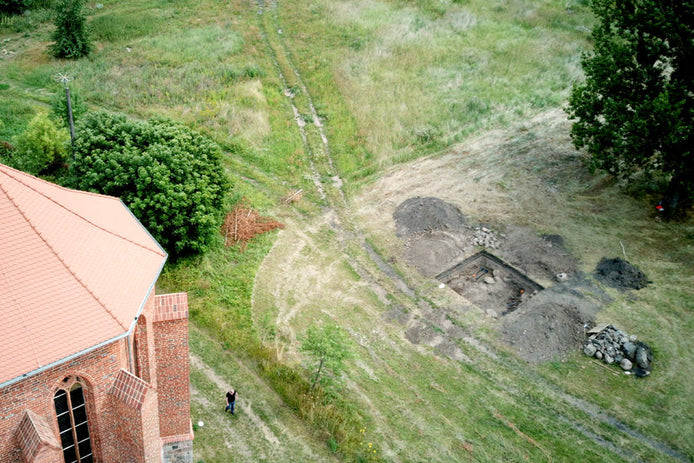
Exploraciones en y alrededor de la iglesia de los templarios en Polonia
Recientemente, se ha realizado una excavación en Polonia, centrada en la búsqueda de túneles y bóvedas alrededor y en la ...
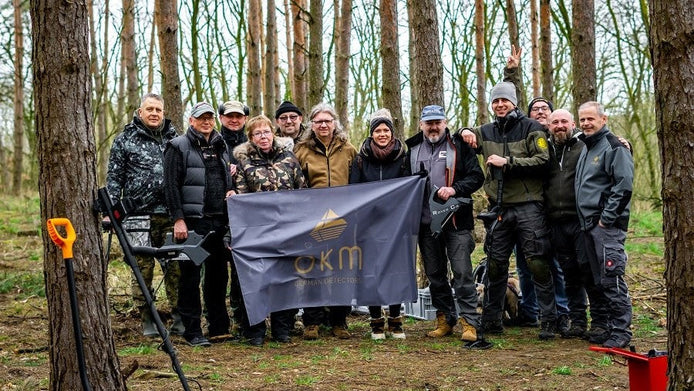
Futuro distribuidor de OKM y el "Campo de los Guerreros"
Esta vez el proyecto de búsqueda llevó al equipo de OKM en colaboración con Stowarzyszenie Templum y Relikte der Geschichte ...