اكتشاف قبو من العصور الوسطى يعود إلى القرن الثاني عشر باستخدام جهاز OKM Rover C4
تحديد بنية أثرية مخفية من العصور الوسطى بنجاح باستخدام تقنية المسح الأرضي ثلاثي الأبعاد
تم مؤخرًا تحقيق اكتشاف أثري مثير باستخدام جهاز OKM Rover C4 المزود بمستشعر Super Sensor. أثناء فحص موقع ذي أهمية تاريخية، تمكن أحد الباحثين من تحديد بقايا مدخل قبو يُعتقد أنه يعود إلى القرن الثاني عشر. ويبدو أن الهيكل المكتشف يضم درجًا يؤدي إلى باطن الأرض بالإضافة إلى عدة غرف مقببة، مما يشير إلى وجود مجمع تحت أرضي واسع ربما لعب دورًا مهمًا في التطور التاريخي للموقع.
أُجري الاكتشاف الأولي باستخدام جهاز المسح الأرضي ثلاثي الأبعاد OKM Rover C4، حيث أظهرت بيانات المسح وجود شذوذات تحت سطحية واضحة تتوافق مع منشآت من صنع الإنسان. وتم تأكيد نتائج المسح لاحقًا من خلال عدة وسائل تحقق مستقلة.

التحقق من النتائج باستخدام LiDAR وتحليل التضاريس
للتحقق من النتائج، قارن الباحث بيانات المسح مع نموذج رقمي للتضاريس (DTM) وصور جوية بتقنية LiDAR. وقد كشفت هذه البيانات عن معالم طبوغرافية وخصائص أرضية تطابقت بدقة مع الموقع الذي حدده جهاز Rover C4.
وقد وفّر الجمع بين تقنية المسح الأرضي ثلاثي الأبعاد الحديثة وتقنيات الاستشعار عن بُعد المتقدمة أدلة قوية على وجود بنية أثرية مدفونة من العصور الوسطى.
التصوير الحراري بالأشعة تحت الحمراء يؤكد وجود فراغات تحت الأرض
جاءت أدلة إضافية من خلال التصوير الحراري بالأشعة تحت الحمراء، الذي كشف عن تيارات من الهواء البارد الصاعد من الممرات الموجودة تحت الأرض. وغالبًا ما يرتبط هذا النوع من الظواهر بوجود تجاويف مخفية وأنفاق وأقبية تحت الأرض، مما يشكل دليلًا إضافيًا قويًا على وجود المجمع المدفون.
وقد تطابقت صور الأشعة تحت الحمراء بشكل كامل مع نتائج المسح وتحليل التضاريس، مما عزز الثقة في هذا الاكتشاف.


علماء الآثار يواصلون التحقيقات
ومع وجود عدة مصادر مستقلة تؤكد الآن احتمال وجود نظام أقبية تحت الأرض يعود إلى العصور الوسطى، تنتقل المرحلة التالية إلى خبراء الآثار. وقد تكشف الدراسات المستقبلية عن معلومات قيّمة حول تاريخ هذه البنية المميزة والغرض الأصلي من استخدامها.
ويُظهر هذا الاكتشاف مرة أخرى كيف يمكن لتقنيات الكشف الحديثة أن تساعد في الكشف عن آثار الماضي المخفية، مع دعم الأبحاث الأثرية والحفاظ على التراث الثقافي.
اكتشف مجمعًا مخفيًا من الأقبية يعود إلى القرن الثاني عشر، تم تحديد موقعه باستخدام جهاز OKM Rover C4 وتأكيده من خلال بيانات LiDAR والتصوير الحراري بالأشعة تحت الحمراء.
Get Rewarded for Your Treasure Finds
You have also made discoveries and detected amazing artifacts and would like to share them (anonymously)? We look forward to reading and publishing your success stories!
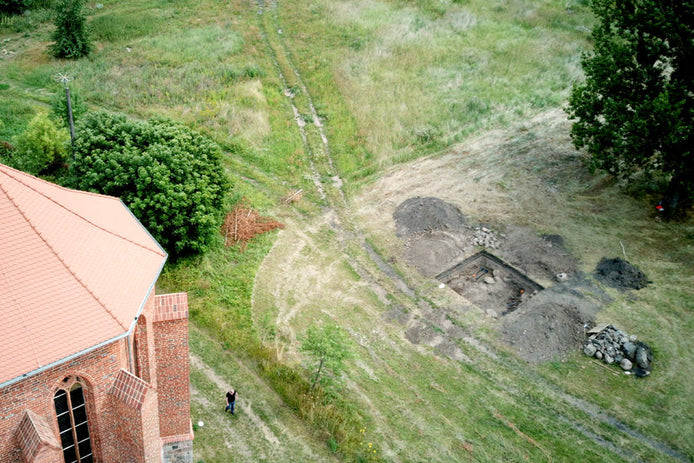
البحث عن كنز فرسان الهيكل: رحلة استكشافية أثرية إلى بولندا
تابعت OKM بعثة استكشافية إلى بولندا للبحث في باطن الأرض بالقرب من الكنيسة وفي داخلها عن قبور فرسان الهيكل. اكتشف ...
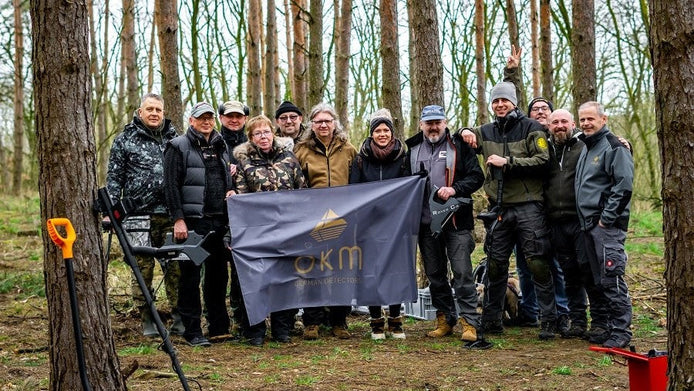
مشروع البحث في ميدان المحاربين في بولندا
أخذ مشروع البحث هذه المرة فريق OKM بالتعاون مع Stowarzyszenie Templum و Relikte der Geschichte (آثار التاريخ) إلى دوبنو في ...